
Create a Wallet
Understand control and backup before creating.
View steps →A multi-chain wallet, blockchain network and Web3 knowledge hub from imtoken
Bring multi-chain assets, network selection, sending and receiving, DApp connections, approval management and network knowledge into one clear workflow, with wallet security checks before every action.
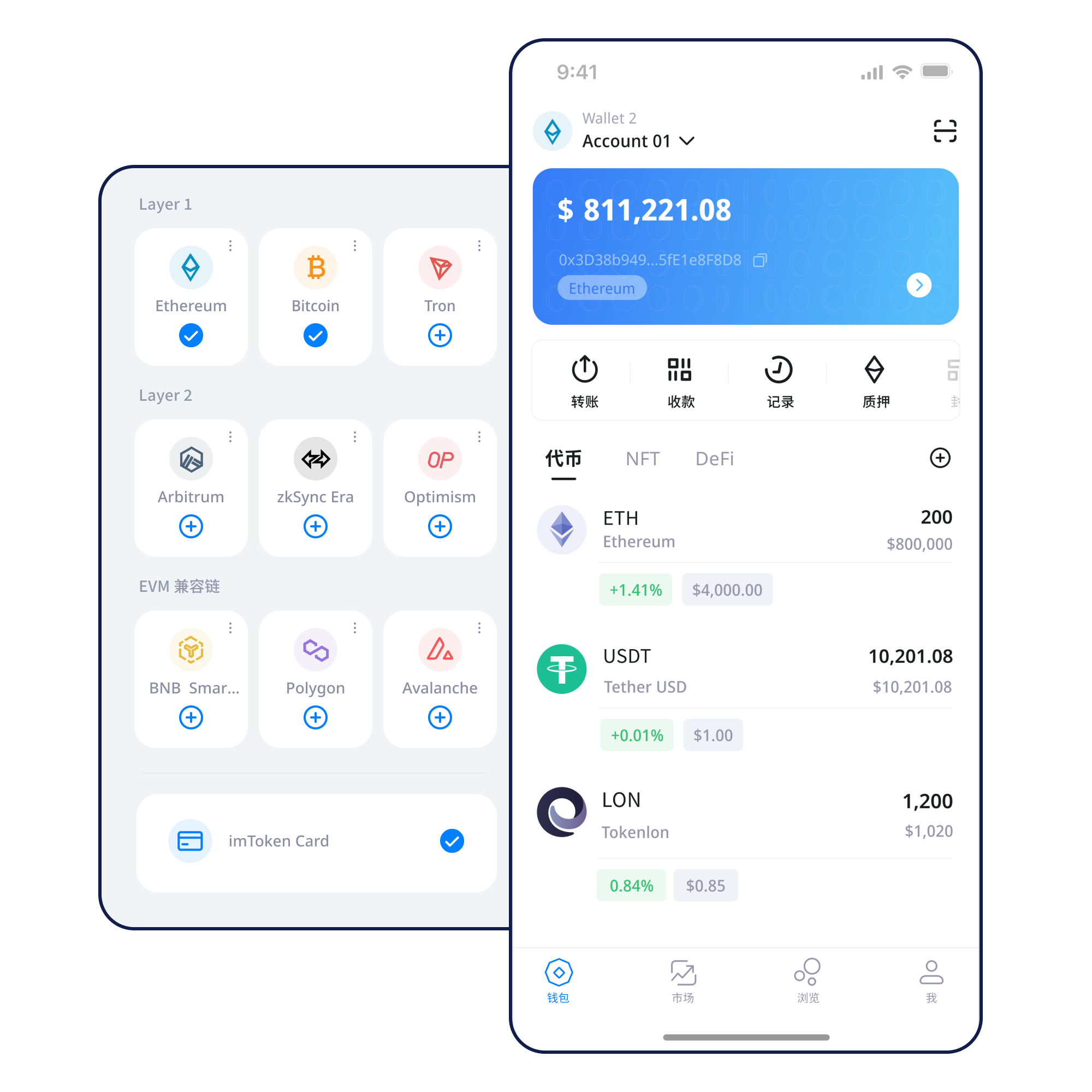
Understand control and backup before creating.
View steps →Keep the seed phrase offline and out of chats or cloud sharing.
View steps →Confirm the network before copying and checking the receiving address.
View steps →Review address, network, amount and gas before sending.
View steps →Review every signature and approval even after connecting.
View steps →Different tasks need different information, so networks, assets, transactions and connections are not treated as the same action.
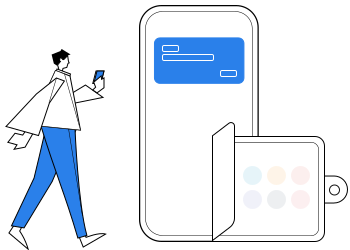
Recognize network differences, address formats, asset context and confirmations before acting.
Receiving addresses, networks, amounts, gas and transaction hashes each serve a different purpose.
Learn transfer checks →Review assets, manage networks, inspect activity and connect to DApps when needed.
A browser connection is not an asset approval; every signature and permission request still needs its own review.
Understand web connections →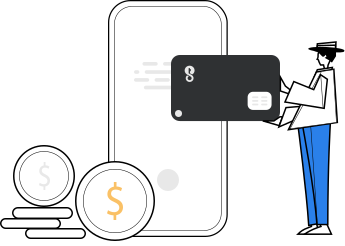
Keep seed phrases and private keys under your control; avoid screenshots, cloud exposure and unfamiliar input forms.
Understand how assets, fees and confirmations differ across networks.
Review the network name, address, gas asset and block explorer together rather than relying on an icon or token name.
Learn more →Read public ledgers through nodes, blocks, transactions and explorers.
Review the network name, address, gas asset and block explorer together rather than relying on an icon or token name.
Learn more →
A similar account model does not make network state or token contracts identical.
Review the network name, address, gas asset and block explorer together rather than relying on an icon or token name.
Learn more →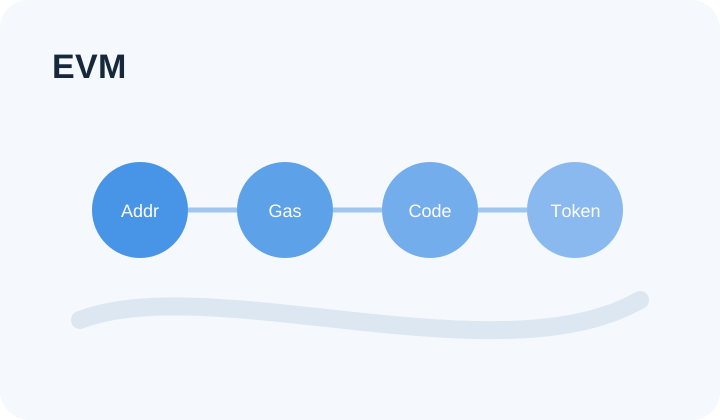
Understand base-layer relationships, cross-layer movement and bridge steps.
Review the network name, address, gas asset and block explorer together rather than relying on an icon or token name.
Learn more →
Fees, pending state and confirmation count describe different transaction stages.
Review the network name, address, gas asset and block explorer together rather than relying on an icon or token name.
Learn more →Start from a trusted official entry point rather than an unsolicited link.
Handle sensitive recovery credentials only in a trusted wallet environment.
Keep the seed phrase offline and never disclose a private key.
Confirm the destination network, address format and gas asset.
Review address, network, amount and fee before sending.
Verify results with the transaction hash and review approvals you no longer need.
Connecting a wallet does not mean every signature request should be accepted. Review each signature and approval independently.
Open the Web3 guide →Seed phrases and private keys remain under the user’s control, and official staff will not ask for them. Verify address, network and amount before a transfer, read DApp requests before signing, and review approvals that are no longer needed. Public devices, untrusted networks, remote control and unfamiliar links all widen the risk surface, making repeatable security habits essential.
Open the security center →Start with addresses, seed phrases, private keys, networks, gas, transaction hashes, DApps and approvals before moving into real on-chain actions. A clear conceptual order makes it easier to identify whether an issue sits in the wallet interface, network state or a contract request.
Read the beginner guide →Learn the concept through a practical wallet question.
Learn the concept through a practical wallet question.
Learn the concept through a practical wallet question.
Learn the concept through a practical wallet question.
Learn the concept through a practical wallet question.
Learn the concept through a practical wallet question.
Ethereum PoS relies on validators participating in consensus. Rewards come from protocol duties, while withdrawals and exits depend on protocol mechanics and network conditions.
Learn about Ethereum staking →Staking does not guarantee returns. Validators may face network penalties, exits can involve waiting, smart contracts and third-party services carry technical risk, and digital-asset prices can fluctuate.
Read PoS & validators →A wallet manages blockchain accounts, displays assets and prepares signatures or transactions. The underlying asset records live on blockchain networks rather than being stored inside the wallet application.
A private key controls a specific account, while a seed phrase commonly derives and restores a group of accounts. Both are highly sensitive and should never be sent to another person.
Offline backup reduces exposure to screenshot syncing, cloud compromise and some forms of malware, although physical loss, damage and unauthorized access still need to be considered.
Several EVM networks use the same address format, but their state and asset records are separate. A matching address does not make assets automatically exist across networks.
At minimum, verify the destination address, destination network, asset and amount, and make sure the request is actually a transfer rather than an approval or another contract call.
Gas is the network cost associated with executing a transaction or smart-contract operation. It can change with network conditions and execution complexity and is separate from the transfer amount.
A transaction hash is a key identifier for checking an on-chain transaction in the relevant block explorer, including status, block inclusion, addresses and fees.
Every download action goes through download.html and requires an explicit user click.